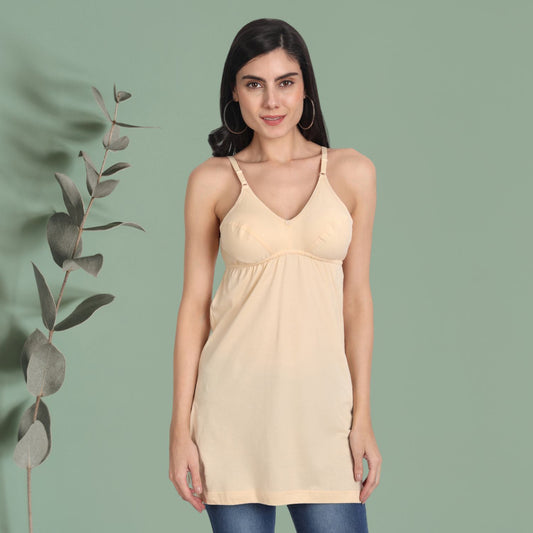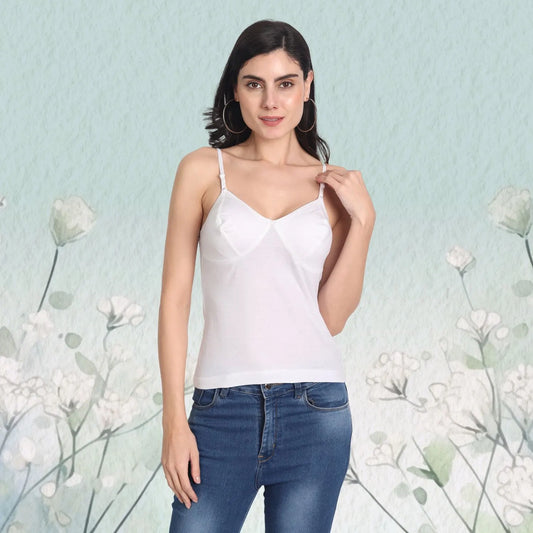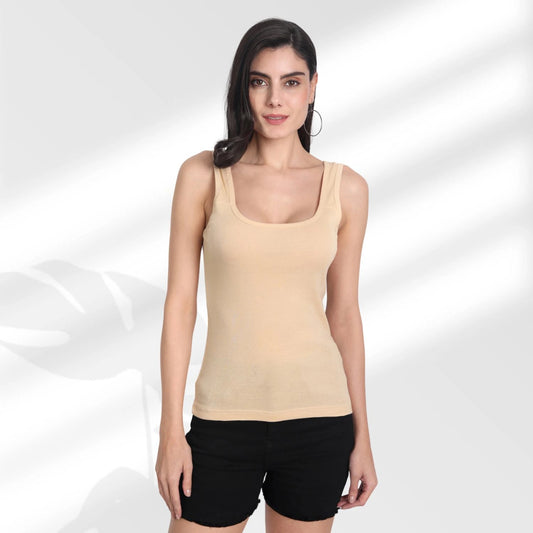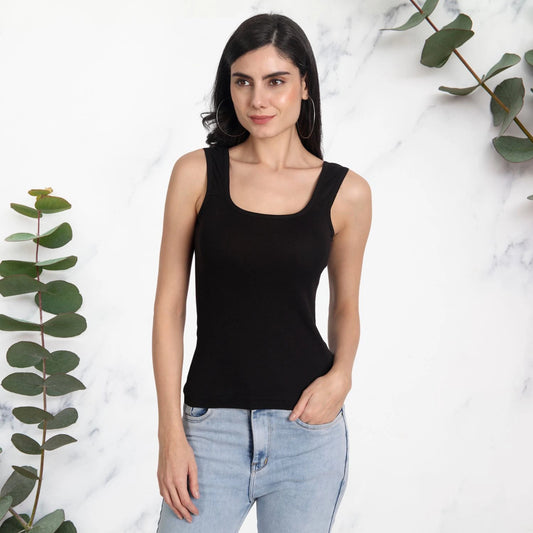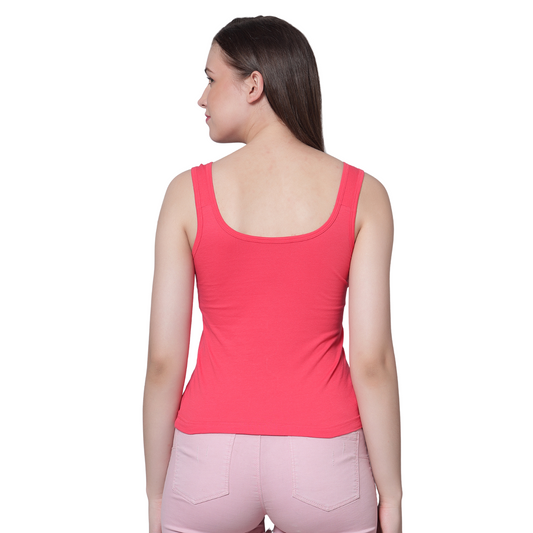

Remember that super soft, perfectly fitting t-shirt you absolutely loved? The one that felt like a hug every time you wore it? And then, after a few washes, it came out of the laundry feeling stiff, looking faded, and maybe a little misshapen. It’s a sad story we all know too well. We often blame the fabric, but what if the real culprit is hiding in our daily routine? Many of us are making tiny laundry mistakes every single day, especially with habits passed down in our Indian households, that are secretly destroying our favorite soft clothes, particularly our delicate innerwear.
Your innerwear, like your comfortable cotton panties and supportive bras, is the foundation of your outfit. They are in direct contact with your skin all day, so their softness and fit are super important. But these items are also the most vulnerable to damage from harsh washing. It's time to rethink our laundry habits to give our clothes, and our beloved innerwear, the longer, happier life they deserve.
Mistake #1: The All-in-One Dump - Skipping the Sort
Picture this: It's laundry day. You grab your overflowing laundry basket and dump everything into the washing machine at once. Your rough denim jeans, a new red kurti, white socks, and your delicate lace-trimmed panties—all swirling together. This is one of the biggest laundry mistakes.
Why It's a Problem:
- Color Bleeding: That new red kurti can easily bleed its color onto your lighter clothes, turning your white socks into a sad shade of pink.
- Fabric Damage: Heavy fabrics like denim are rough. As they tumble around in the wash, they rub against softer fabrics, causing tiny tears and pulls. This is how your soft cotton tees get those mysterious little holes and your panties lose their smoothness. Zippers and hooks can snag and tear delicate materials.
- Ineffective Cleaning: Different fabrics need different types of care. A delicate wash cycle that's good for your innerwear won't be strong enough to clean your muddy jeans properly.
The Simple Fix:
Take five extra minutes to sort your clothes. It’s a game-changer. Create separate piles:
- Whites & Lights: All your white, beige, and pastel-colored clothes.
- Darks: Blacks, blues, dark greens, and other deep colors.
- Brights: Reds, oranges, and other vibrant colors that might bleed.
- Delicates: This is the VIP pile for your innerwear, silk scarves, and anything that needs a gentle touch.
Mistake #2: The "More is Better" Myth - Overdosing on Detergent
In many Indian homes, there's a belief that adding an extra scoop of laundry detergent will make clothes extra clean. It makes sense, right? More soap equals more cleaning power. Unfortunately, it's the opposite.
Why It's a Problem:
- Soap Residue: Using too much detergent creates a lot of foam that the rinse cycle can't wash away completely. This leftover soap residue sticks to your clothes, making them feel stiff, scratchy, and dull. It can also irritate your skin.
- Damage to Fibers: Harsh chemicals in detergents can be tough on soft fabrics. Over time, an excess of these chemicals will break down the delicate fibers of your cotton innerwear, making them lose their softness and elasticity.
- Washing Machine Issues: That extra soap scum can also build up inside your washing machine, leading to bad smells and reduced efficiency.
The Simple Fix:
Read the instructions on your detergent box or bottle. The recommended amount is usually much less than you think. For most loads, a couple of tablespoons is enough. If your clothes are extra dirty, pre-soak them or use a stain remover on specific spots instead of adding more detergent to the whole load.
Mistake #3: The Machine Overload & Wrong Settings
To save time and water, it's tempting to stuff the washing machine until you can't fit another sock in. But an overloaded machine can't do its job properly. Along with this, ignoring the different wash cycles is another common mistake.
Why It's a Problem:
- Poor Cleaning: Clothes need room to move around and agitate in the water. When the machine is too full, the water and detergent can't reach every surface, leaving you with clothes that aren't truly clean.
- Stretching and Wrinkling: Jam-packed clothes get twisted and stretched out of shape during the spin cycle. This is especially bad for items with elastic, like your hipster panties and bras.
- Wrong Cycle Damage: Using a 'Heavy Duty' or 'Hot Water' cycle for everything is a recipe for disaster. Hot water can cause colors to fade and fabrics to shrink. A rough cycle can be too aggressive for your soft garments. For more details on fabric science, check out our guide on cotton versus synthetics.
The Simple Fix:
- Load Smart: Fill your machine only about three-quarters full. This gives your clothes the space they need to get clean without being damaged.
- Choose the Right Cycle: Use the 'Delicate' or 'Gentle' cycle for your innerwear and other soft items. Use cold water whenever possible to protect colors and save energy. Save the hot water and heavy cycles for sturdy items like bedsheets and towels.
Mistake #4: The Harsh Indian Sun & Aggressive Wringing
The way we dry our clothes is just as important as how we wash them. The common Indian practice of wringing clothes tightly to squeeze out every last drop of water and then hanging them in the direct, scorching sun can be very damaging.
Why It's a Problem:
- Stretching: Twisting and wringing wet clothes, especially delicate ones, permanently stretches the fabric. The elastic bands on your panties and bras are the first to go, losing their shape and support.
- Sun Damage: While the sun is a natural disinfectant, its UV rays are powerful. Direct, harsh sunlight can fade bright colors very quickly. For delicate fabrics like cotton and lycra, it can break down the fibers, making them weak and brittle over time.
The Simple Fix:
- Gentle Squeeze: Instead of wringing, gently squeeze the excess water out. You can also roll delicate items in a thick towel and press down to absorb moisture.
- Shade is Your Friend: Dry your colored and delicate clothes in a shady or partially sunny spot. Your veranda, balcony, or a spot indoors near a window works perfectly. They will take a little longer to dry, but they will last much longer.
- Lay Flat to Dry: For bras and very delicate items, it's best to reshape them and lay them flat on a towel or a drying rack to dry. Hanging them can cause the straps to stretch out.
Mistake #5: Treating Your Innerwear Like Any Other Garment
This is the most crucial point. Your innerwear is not the same as your jeans. Bras, panties, and soft yoga shorts are made from delicate fabrics with special components like elastic and hooks that need extra care.
Why It's a Problem:
- Bra Damage: Tossing bras into the machine can bend the underwire, ruin the cup shape, and cause the hooks to snag other clothes. The straps can also get tangled and stretched. For tips on avoiding this, learn how to prevent bra strap marks and digging, which starts with proper care.
- Elasticity Loss: The heat and rough tumbling of a machine wash and dry cycle destroy the elastic in your panties and shorts, leaving them loose and saggy.
- Fabric Pilling: Soft cotton blends can develop those annoying little fuzzballs (pills) when they are rubbed too aggressively against other clothes in the wash.
The Simple Fix: The VIP Treatment
Your innerwear deserves special care. Here’s how to give it:
- Use a Mesh Laundry Bag: This is a small, zippered bag that is your innerwear's best friend. Put your bras (with hooks clasped) and panties inside the bag before tossing it into the machine. This protects them from snagging, twisting, and rubbing against other clothes.
- Hand-Washing is Best: If you have the time, hand-washing your innerwear is the gentlest method. Use a mild detergent and cool water. Simply soak for a few minutes, gently rub, and rinse thoroughly.
- Store Properly: Don't just stuff your bras into a drawer. This can ruin the shape of the cups. Stack them neatly one behind the other. Fold panties and shorts and store them in a separate section of your drawer. For more ideas on care, explore our blog on smart laundry habits for longer life.
Quora Corner: Your Laundry Questions Answered
1. How often should I wash my bras?
You don't need to wash your bra after every single wear. Generally, washing after 3-4 wears is fine, unless you've been sweating a lot. Over-washing can wear out the elastic and fabric faster. Having a good rotation of comfortable bras, like Aimly's Everyday Non-Wired Bras, can help reduce wear on each one.
2. Can I use fabric softener on my panties and sports shorts?
It's best to avoid it. Fabric softeners leave a coating on fabrics that can trap bacteria and odors, which you definitely don't want on your innerwear. More importantly, this coating can reduce the moisture-wicking properties of fabrics used in activewear like Aimly’s Stretchable Everyday Shorts, making them less effective at keeping you dry.
3. My white clothes are turning yellow. What am I doing wrong?
This can happen for a few reasons. Using too much detergent or fabric softener can leave residue that yellows over time. Not sorting properly and washing whites with even light colors can also cause dulling. Try using a bit less detergent, skipping the softener, and making sure you are only washing your whites with other pure white items.
Frequently Asked Questions
1. Is it really necessary to separate delicates like innerwear?
- Absolutely! Think of it like this: you wouldn't use a rough scrub brush to clean a delicate glass. Heavy fabrics like jeans and towels act like scrub brushes in the wash, causing friction that damages the soft fibers and delicate elastic of your innerwear. Separating them is the single best thing you can do to make them last longer.
2. Does cold water actually get clothes clean?
- Yes, for the vast majority of your laundry, cold water works perfectly well. Modern laundry detergents are designed to be effective even in cold temperatures. Cold water is gentler on fabrics, prevents colors from fading, and stops clothes from shrinking. It also saves a lot of energy! Save hot water for heavily soiled items like dirty towels or bedding when someone is sick.
3. What's the best way to store bras to maintain their shape?
- The best way to store molded or padded bras is to lay them flat in a drawer without folding them in half. Don't invert one cup into the other, as this will create permanent creases and ruin the shape. You can stack them behind one another like they are displayed in a store. This helps them keep their intended form and provides better support when you wear them.
4. How can I get rid of stains on my innerwear without using harsh bleach?
- For fresh stains, act quickly. Rinse the spot with cold water from the back of the fabric to push the stain out. You can then apply a small amount of mild liquid detergent or a paste of baking soda and water directly to the stain. Let it sit for 15-20 minutes before gently rubbing and washing as usual. For tougher stains, soaking in a solution of water and vinegar can also help.
5. My new cotton panties feel stiff after washing. What happened?
- This is almost always a sign of using too much detergent. The stiffness is caused by soap residue that wasn't fully rinsed out. It can also be caused by hard water minerals building up on the fabric. Try using half the amount of detergent in your next wash. You can also add half a cup of white vinegar to the rinse cycle; it acts as a natural fabric softener and helps remove any soap or mineral buildup, restoring the softness of your comfortable cotton underwear.
Your Clothes Will Thank You!
Doing laundry might seem like a simple chore, but as we've seen, there's a right way and a wrong way to do it. The small changes you make can have a huge impact on how long your favorite clothes, especially your delicate innerwear, last. Moving away from harsh, traditional washing methods to a gentler, more mindful approach isn’t just about saving your clothes; it’s about saving money and respecting the garments that provide you with comfort every single day. By avoiding these common laundry mistakes, you ensure that your soft cotton bras, panties, and shorts from Aimly retain their shape, softness, and color for a long, long time. Remember, a little care goes a long way. So the next time you head to your laundry room, think about sorting, using the right amount of detergent, choosing a cool cycle, and drying with care. Your wardrobe, from your everyday tees to your most comfortable innerwear, will look and feel better for it.
References
For further reading on laundry processes and fabric care, you can explore general resources such as:
- Wikipedia contributors. (n.d.). Laundry. In Wikipedia, The Free Encyclopedia.
- The American Cleaning Institute. (n.d.). Laundry Basics.
- Merriam-Webster. (n.d.). Laundry. In Merriam-Webster.com dictionary.