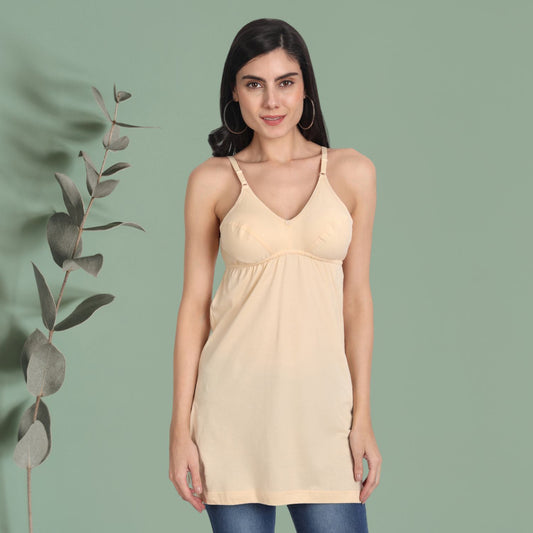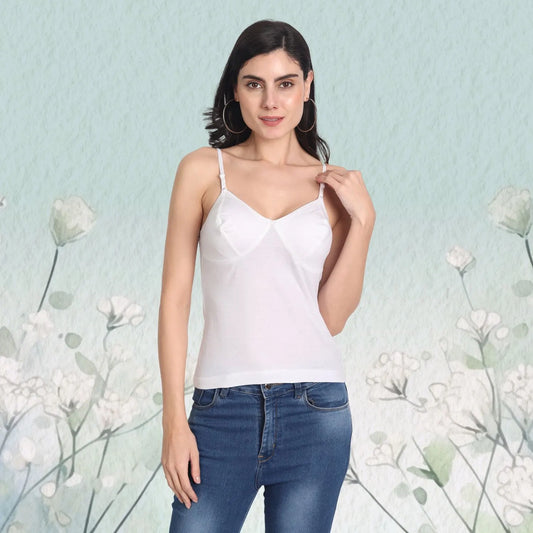

Remember that one time you bought the prettiest lace bra? It looked amazing, but after wearing it for just an hour on a hot summer day, you felt sticky, itchy, and just plain uncomfortable. We’ve all been there. We often choose our innerwear based on looks, but the real secret to all-day comfort is hidden in a tiny, often ignored, piece of cloth: the fabric tag. This little label is your ultimate guide. Learning how to read fabric tags on bras, panties and shorts is a simple skill that can completely change your comfort game, especially in the humid Indian weather.
Think of that small clothing tag as an instruction manual for your comfort. It tells you what your clothes are made of and how to take care of them so they last longer and feel great every time you wear them. Let’s decode these tags together!
What Are Fabric Tags, Really?
A fabric tag, also known as a care label or a material tag, is that small label sewn into the seam of your clothing. It's not just there for decoration! These fabric garment labels contain two golden nuggets of information:
- Fabric Composition: This tells you the exact material your innerwear is made from. You'll see things like "100% Cotton" or "80% Nylon, 20% Spandex." This is crucial for understanding how the garment will feel and behave.
- Care Instructions: This is a set of universal symbols that guide you on how to wash, dry, and iron the item without ruining it. Following these instructions keeps your clothes looking and feeling new for longer.
Ignoring this tag is like buying a new phone and throwing away the user manual. You might figure it out, but you’ll miss out on key features and might even damage it!
Decoding the Fabric Lingo: Your Cheat Sheet to Comfort
The fabric your innerwear is made from directly impacts its breathability (how well it lets air pass through) and its moisture-wicking properties (how well it pulls sweat away from your skin). For the Indian climate, these two factors are everything. Here are the most common fabrics you'll find on clothing material tags and what they mean for you.
Cotton: The All-Time Champion
You’ll see cotton clothing tags everywhere, and for good reason. Cotton is a natural fiber that is soft, breathable, and gentle on the skin. It’s perfect for everyday wear, especially in hot and humid weather.
- Pros: Super breathable, absorbent, hypoallergenic (great for sensitive skin).
- Cons: It absorbs moisture well but can be slow to dry. This means on a very sweaty day, it might feel damp.
- Best for: Everyday panties, bras, and comfortable shorts for lounging.
Aimly's Women's Cotton Daily use Hipster Panties are a perfect example, made with high-quality cotton that breathes well to keep you comfy all day.
Polyester: The Quick-Dry Athlete
Polyester is a synthetic fabric known for its durability and quick-drying nature. You'll often find polyester tags on activewear.
- Pros: Dries very quickly, durable, wrinkle-resistant, and great at wicking moisture away.
- Cons: Not as breathable as cotton, can sometimes trap odors.
- Best for: Sports bras, gym shorts, and innerwear for rainy days. For more tips on monsoon-friendly clothing, check out our guide on quick-dry clothing for rainy day commutes.
Nylon: The Silky Smooth Operator
Nylon is another synthetic fabric that is lightweight, strong, and has a smooth, silky feel. It’s often used in seamless panties and bras.
- Pros: Stretchy, quick-drying, and resistant to shrinking and wrinkles.
- Cons: Similar to polyester, it can be less breathable than natural fibers.
- Best for: Seamless innerwear, travel-friendly panties, and everyday bras where a smooth look is needed.
Modal/Viscose (Rayon): The Luxurious Cousin
These are semi-synthetic fabrics made from wood pulp. They combine the best of both worlds: the breathability of natural fibers with the silky feel and drape of synthetic ones.
- Pros: Extremely soft, breathable, drapes beautifully, and is resistant to shrinking.
- Cons: Can be more delicate than cotton or polyester.
-
Best for: Lingerie, comfortable loungewear, and panties that feel like a second skin. Our Women's Viscose Hipster Panties offer this blissful, gentle feel.
Spandex/Lycra/Elastane: The Stretch Factor
You’ll rarely see an item made of 100% Spandex. It’s usually blended with other fabrics (like 95% Cotton, 5% Spandex) to add stretch and help the garment retain its shape.
- Pros: Provides excellent stretch and recovery, ensuring a snug but comfortable fit.
- Cons: Too much of it can reduce breathability. A 5-10% blend is usually ideal for comfort.
- Best for: Almost all modern innerwear, from bras to shorts, to ensure they move with your body. Aimly’s Women Cotton Lycra Stretchable Shorts are perfect for everything from yoga to running errands because of this comfy stretch.
Cracking the Code: What Those Weird Symbols Mean
Now for the fun part! Let's decode those symbols on the woven care labels. You don’t need a Wikipedia article to understand them; they're quite simple.
- The Wash Tub: This tells you how to wash your garment. A number inside the tub indicates the maximum water temperature. A hand in the tub means hand-wash only. One line underneath means a gentle cycle, and two lines mean a very gentle cycle.
- The Triangle: This is for bleaching. An empty triangle means you can use any bleach. A triangle with two diagonal lines means use non-chlorine bleach only. A crossed-out triangle means DO NOT bleach.
- The Square: This is for drying. A circle inside the square means you can tumble dry. A dot inside the circle indicates the heat setting (one for low, two for medium). A square with a curved line at the top means hang to dry. A square with a horizontal line means dry flat.
- The Iron: This one’s easy! It tells you about ironing. Dots inside the iron indicate the temperature setting, just like on your iron. A crossed-out iron means do not iron.
Properly caring for your innerwear, especially bras, helps them maintain their shape and support. For more tips, read our blog on laundry hacks for humid Indian homes.
Aimly’s Top Picks for Breathable Comfort
At Aimly, we focus on smart fabrics that keep you comfortable. Here are a few products that live up to the promise of breathable, quick-dry comfort:
- Women's Cotton Blend Seamless Non-Wired Bra: Made from rich micro cotton, this bra is non-padded and wire-free, offering pure comfort for daily wear.
- Women Cotton Blend Stretchable Everyday Short: A blend of micro cotton and Lycra makes these shorts perfect to wear under dresses or for a light workout. They provide coverage and breathability.
- Women's Mid Rise Regular Hipster Panties: Crafted from high-quality Milanch Sinker fabric, these panties are soft, breathable, and gentle on your skin for maximum comfort all day long.
Beyond the Label: More Tips for All-Day Comfort
Understanding fabric tags is a huge step, but here are a few more things to consider:
- Check the Weave: Even with cotton, a tighter weave will be less breathable than a looser one. Hold the fabric up to the light. The more light that passes through, the more breathable it will be.
- Look for Seamless Designs: Seams can cause chafing and irritation, especially during long days. Seamless panties and bras offer a smoother silhouette and greater comfort.
- Prioritize Fit: The best fabric in the world won’t feel good if the fit is wrong. Ensure your waistbands aren't too tight and your bra straps don't dig in. If you struggle with this, our guide on how to avoid uncomfortable waistbands can help.
Your Questions Answered: Insights from the Web
We browsed through common questions people ask online about fabric labels to give you some quick answers.
1. How can I make my own fabric labels at home?
For DIY projects, many people use heat transfer paper. You can print your design onto this special paper and then iron it onto a piece of cotton ribbon or twill tape. It’s a fun way to add a personal touch to handmade items. For a more professional look, brands use high-quality custom sewing labels, often woven fabric labels, that are durable and soft against the skin.
2. What are custom clothing labels and tags used for?
Beyond just care instructions, clothing brand tags are crucial for brand recognition. Designers use custom clothing labels with their logo to mark their creations. You can find these as flat or folded labels, often made from soft satin or cotton, sewn into the garment. They are a sign of quality and authenticity.
3. What is the difference between printed and woven labels?
Printed labels, like satin care labels, have the information printed onto the surface of the material. They are smooth and great for detailed logos or care instructions. Woven labels have the design woven directly into the fabric of the label itself. Woven care labels are extremely durable and have a premium feel, which is why they are often used by high-quality brands.
Frequently Asked Questions
- 1. Why is cotton considered the best fabric for panties in India?
- Cotton is highly recommended for panties in the Indian climate mainly because of its excellent breathability. It allows air to circulate freely, which helps to keep the area dry and reduces the risk of infections. Its natural, hypoallergenic properties also make it ideal for sensitive skin, ensuring all-day comfort without irritation.
- 2. What does "moisture-wicking" mean on a fabric tag?
- "Moisture-wicking" is a term used for fabrics that are designed to pull moisture (like sweat) away from your skin and move it to the outer surface of the fabric, where it can evaporate quickly. Fabrics like polyester and nylon are excellent at this. This feature is key for activewear and for staying comfortable on very hot days, as it prevents that sticky, damp feeling.
- 3. Can I wash my bras and panties in a washing machine?
- Yes, you can, but you must check the care label first! Most bras, especially those with underwires or padding, should be hand-washed or placed in a lingerie bag and washed on a delicate cycle to maintain their shape. Panties made of cotton or polyester blends are generally machine-safe. Always use mild detergent and avoid hot water to protect the elastic.
- 4. How do I know if a fabric is "quick-dry"?
- The fabric tag is your first clue. Synthetic fabrics like polyester and nylon are known for their quick-dry properties. You can also do a simple test: put a drop of water on the fabric. If it spreads out quickly and starts to disappear rather than sitting on top in a bead, it’s likely a quick-drying material. This is a great feature for travel and for the monsoon season.
- 5. What's the difference between woven labels and printed satin care labels?
- The main difference is in how they are made. A woven label has the text and design woven into the fabric of the label itself, making it very durable and giving it a high-end feel. A printed satin care label has the information printed on the surface of a smooth satin ribbon. Printed labels can offer more detail, but the print may fade over time with many washes, while woven labels last as long as the garment itself.
Your Guide to Smarter, Comfier Innerwear Choices
So, we've journeyed through the tiny world of fabric tags, and it turns out they're not so scary after all! They are your secret map to finding ultimate comfort. Think of these clothing labels not as a boring chore, but as your personal comfort guide. By understanding the difference between cotton, polyester, and modal, you can now confidently pick a bra that won’t feel like a furnace in May, or panties that will survive an unexpected monsoon downpour without staying damp all day. You’re no longer just buying a piece of clothing; you’re investing in your personal comfort and well-being.
Remember, the perfect innerwear is a blend of the right fabric, the right fit, and the right care. Those little symbols—the wash tub, the triangle, the square—are your key tags to making your favourite pieces last longer, feel softer, and perform better. No more shrunken shorts or faded panties! This knowledge empowers you to build an innerwear wardrobe that works for you, your lifestyle, and the unique Indian climate.
At Aimly, we obsess over these details so you don't have to. Our collections are designed with these principles in mind—using breathable, durable, and skin-friendly fabrics that provide all-day comfort. The next time you shop, take that extra second to flip the tag. It’s a small step that makes a world of difference. Happy, comfortable shopping!