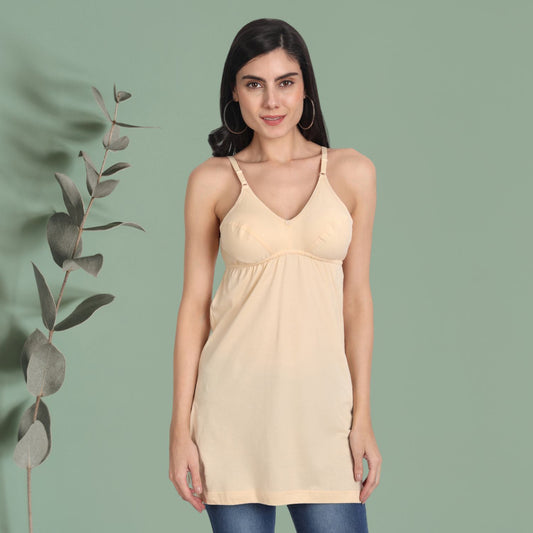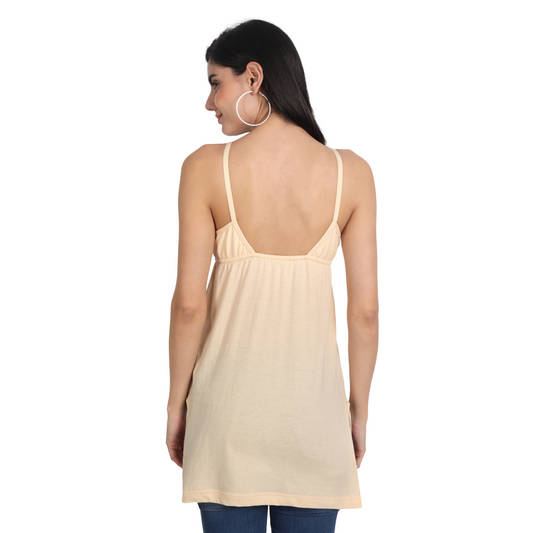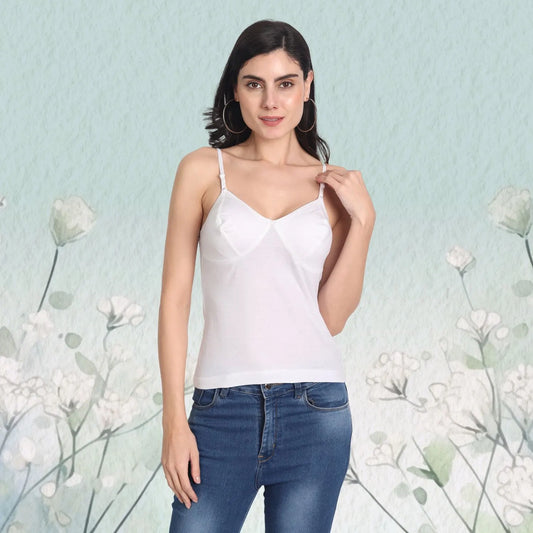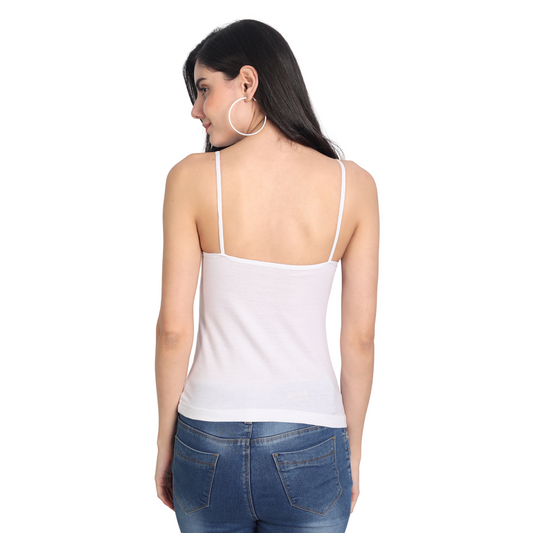

Remember that feeling? You see a beautiful bra online, you imagine how great it'll look, you click “buy,” and wait excitedly. When it arrives, it's a total disappointment. The straps dig in, the band feels like a cage, and you just know it's going to live at the back of your drawer forever. This happens to so many of us in India, and the culprit is almost always the wrong size. But what if you could figure out the puzzle of bra sizing once and for all? Learning how to measure your bra size at home is a game-changer. It's the first step to finding lingerie that not only looks good but feels amazing too. Forget the confusion and guesswork; let’s get you the comfort you deserve.
Table of Contents
- Why Getting Your Bra Size Right Matters
- What You'll Need to Measure Your Bra Size
- Your Simple Step-by-Step Measurement Guide
- Common Errors to Avoid When Measuring
- Decoding the Fit: Is Your Bra Right for You?
- The Magic of Sister Sizing
- Our Top Picks for Everyday Comfort
- Your Questions Answered: Q&A Corner
- Frequently Asked Questions
Why Getting Your Bra Size Right Matters
Did you know that studies suggest up to 80% of women wear the wrong bra size? An ill-fitting bra is more than just a minor annoyance. It can lead to real discomfort like back pain, shoulder aches, and skin irritation from poking underwires or digging straps. Finding your correct size means better support, improved posture, enhanced comfort, and a confidence boost because your clothes will fit and look better. It's a small step that makes a huge difference in your daily life.
What You'll Need to Measure Your Bra Size
You don’t need any fancy gadgets. All you need is:
- A flexible measuring tape (the kind used for sewing).
- A mirror to ensure the tape is level.
- Your best-fitting, non-padded bra. This helps lift your breasts into their natural position for the most accurate measurement. A comfortable, non-wired option like our Women's Cotton Non-Padded Bra is perfect for this.
Your Simple Step-by-Step Measurement Guide
Ready to find out “what is my bra size”? Let’s do this in three easy steps.
Step 1: Measure Your Band Size
The band provides most of the bra's support, so getting this right is key. Stand up straight and relax your shoulders.
- Wrap the measuring tape snugly right under your bust, where the bra band normally sits.
- Make sure the tape is parallel to the floor all the way around your back. It should be snug, but you should still be able to fit a finger underneath.
- Read the measurement in inches. Since Indian bra bands use even numbers, if you get an odd number (like 29 inches), round up to the next even number (30). If you get an even number, that’s your band size!
Step 2: Measure Your Bust Size
This measurement determines your cup size.
- Wrap the measuring tape around the fullest part of your bust, which is usually at the nipple level.
- This time, the tape should be comfortably loose, not tight. Don’t compress your chest.
- Again, ensure the tape is level all the way around. Write down this number.
Step 3: Calculate Your Cup Size
Time for some simple math! Subtract your band size (the number from Step 1) from your bust measurement (the number from Step 2).
Bust Size - Band Size = Cup Size Difference
Use this difference to find your cup letter on the chart below:
- 1-inch difference = A Cup
- 2-inch difference = B Cup
- 3-inch difference = C Cup
- 4-inch difference = D Cup
- 5-inch difference = DD Cup
- 6-inch difference = E Cup
Example: If your under-bust measurement was 31 inches (which you rounded up to 32 for your band size) and your bust measurement is 35 inches. The calculation would be 35 - 32 = 3. A 3-inch difference means you are a C cup. Your final bra size is 32C.
Common Errors to Avoid When Measuring
Measuring seems simple, but small mistakes can lead to the wrong size. Here’s what to watch out for:
- Measuring over bulky clothing: Always measure on bare skin or over a thin, non-padded bra.
- Pulling the tape too tight: The tape should be snug for the band but gentle for the bust. Squeezing yourself will give you a smaller, incorrect size.
- Not keeping the tape level: If the tape dips down your back, your measurement will be off. Use a mirror to check.
- Using an old, stretched-out bra: An old bra has lost its elasticity and won't give you the right shape for an accurate measurement.
For more on this, check out our guide on 5 common bra problems and how to fix them.
Decoding the Fit: Is Your Bra Right for You?
Once you have your new bra, how do you check the fit? Look for these signs.
Signs of a Perfect Fit:
- The Band: It should be snug and lie straight across your back. You should be able to slide just two fingers underneath it. It shouldn't ride up.
- The Cups: Your breasts should fill the cups completely with no gaping at the top or spillage at the sides or top (the dreaded “quad-boob”).
- The Center Gore: The piece of fabric between the cups should lie flat against your breastbone.
- The Straps: They should sit comfortably on your shoulders without digging in or slipping off. Remember, straps provide only about 10% of the support; the band does the heavy lifting.
Signs of a Poor Fit:
- The band rides up your back (it’s too loose).
- The cups are wrinkly or have gaps (they’re too big).
- You’re spilling out of the cups (they’re too small).
- The underwire is poking your sides or breast tissue (the cup or band size is wrong).
Choosing the right style for your body also makes a difference. Learn more in our bras for Indian body types guide.
The Magic of Sister Sizing
Here's a pro trick! If a bra almost fits, you might find your perfect match with a “sister size.” Sister sizes are alternate sizes where the cup volume is the same, but the band and cup letter are different.
The Rule:
- If you go UP a band size, go DOWN a cup size. (e.g., a 34B has the same cup volume as a 36A).
- If you go DOWN a band size, go UP a cup size. (e.g., a 34B has the same cup volume as a 32C).
This is useful when a specific style runs tight or loose in the band.
Our Top Picks for Everyday Comfort
Now that you know your size, it's time to find bras you'll love wearing. At Aimly, we specialize in comfort for Indian women.
- For daily wear: A seamless, non-padded bra like our Women's Cotton Seamless Bra is perfect under t-shirts and kurtis.
- For an active lifestyle: Don't compromise on support during workouts. Our Non-Padded Sports Bra offers full coverage and comfort to keep you secure.
- For versatile outfits: A bra with removable straps, like our Transparent Removable Straps Bra, is a must-have for any wardrobe.
Your Questions Answered: Q&A Corner
We've gathered some common questions to help clear up any lingering confusion.
1. How do I find the right size bra?
Bra sizes have two parts: the band size (e.g., 32, 34, 36) and the cup size (e.g., A, B, C). You can find your size by following the measurement steps we outlined above: measure your ribcage just under the bust for the band size, and measure the fullest part of your bust for the bust size. The difference between these two measurements will determine your cup size.
2. Do bra sizes differ between styles or brands?
Yes, they can! Just like with clothes, sizing can vary slightly depending on the brand, fabric, and style of the bra (e.g., a push-up bra might fit differently than a full-coverage one). That's why it’s so important to know your measurements. Use them as a starting point and always check the fit signals when you try on a new bra.
3. What should I do if my breasts are different sizes?
This is completely normal! Most women have one breast that is slightly larger than the other. Always fit your bra to the larger breast to avoid uncomfortable spillage. For the smaller side, you can look for bras with stretch-lace cups or light padding that can help even out the appearance.
Frequently Asked Questions
- 1. How often should I measure my bra size?
- It's a good idea to measure yourself every 6-12 months. Our bodies are always changing due to things like weight fluctuations, exercise, and hormones, so your bra size can change too.
- 2. Can my bra size really change?
- Absolutely! Pregnancy, weight gain or loss, and even aging can affect the size and shape of your breasts. What fit you perfectly last year might not be the best size for you today.
- 3. What if I'm between sizes?
- If your measurements put you between two sizes, it's often best to try both. This is where sister sizing can also be very helpful. Remember to check the specific fit of the band and cups to see which one feels more comfortable and supportive.
- 4. Why do different bra styles fit differently in the same size?
- A plunge bra, a t-shirt bra, and a full-coverage bra are all constructed differently. The shape of the cups, the amount of coverage, and the type of fabric (stretchy vs. rigid) all impact the fit. You might need a 34C in one style but feel more comfortable in a sister size for another. This is why knowing different bra types is useful.
- 5. Is it true that I should add 3 or 4 inches to my band measurement?
- This is an outdated method from a time when bras were made with less elastic material. Modern bras are stretchy and designed to fit snugly. For the most accurate size, use the method we described: measure your underbust and if the number is odd, round up to the next even number. No extra inches needed!
Your Journey to Perfect Fit and Comfort Starts Now!
Finding the right bra size shouldn't feel like solving a complex puzzle. By now, you've learned that you can easily calculate your bra size right in the comfort of your home. All it takes is a measuring tape and a few simple steps. We've walked you through measuring your band and bust, calculating your cup size, and understanding what a truly great fit feels like. Remember, your comfort is non-negotiable. Signs like digging straps, a riding-up band, or spilling cups are clear signals that your bra isn't your friend.
Understanding concepts like sister sizing and recognizing common measurement mistakes empowers you to shop with confidence, whether online or in-store. Your body is unique and can change over time due to various factors, so making a habit of measuring yourself every six months to a year is a wonderful act of self-care. At Aimly, we believe every woman in India deserves to feel supported and comfortable every single day. That's why we offer a wide range of bras, from breathable cotton non-padded styles to supportive sports bras, all designed with your real needs in mind. Embrace these tips, find your perfect size, and say goodbye to bra-blems for good!
For further reading and context, the information in this article is based on general knowledge and industry standards, synthesized from sources including:
- primalwear.com/blogs/team-estrogen/how-do-i-find-the-right-size-bra
- en.wikipedia.org/wiki/Bra_size
- calculator.net/bra-size-calculator.html
- vogue.com/article/how-to-measure-for-a-bra
- skims.com/pages/bra-calculator