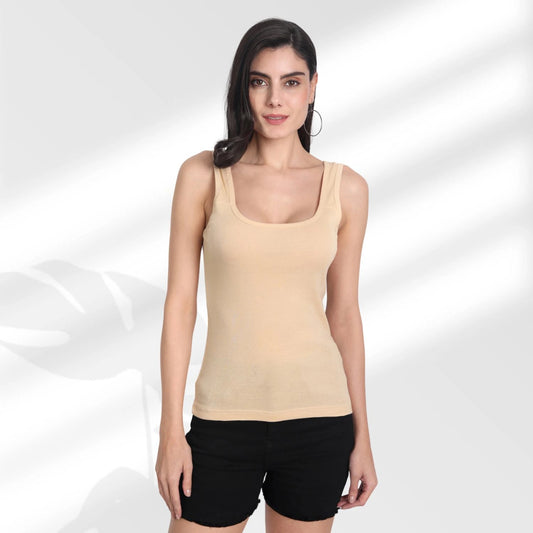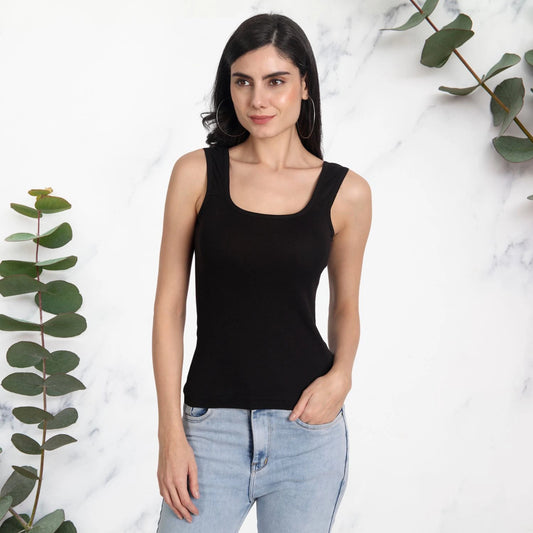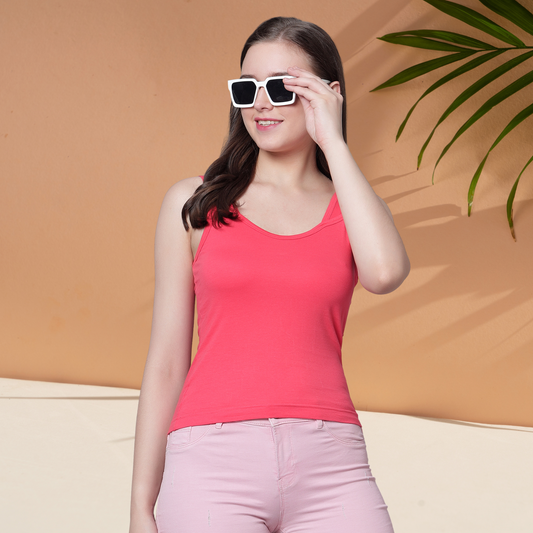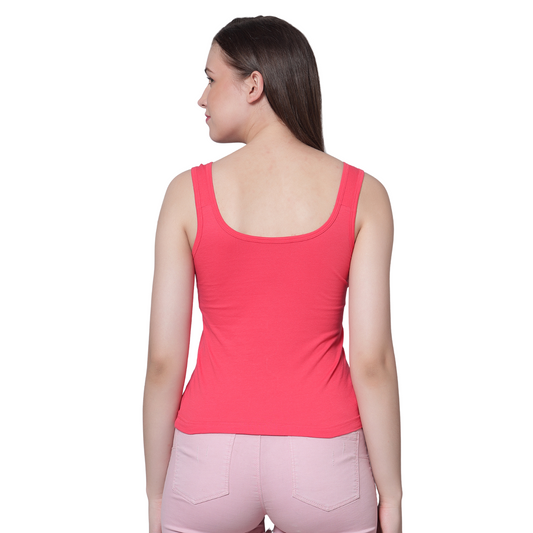

Priya slumped onto her couch after a long day, the humid Mumbai air making everything feel sticky. The first thing she did? Get rid of her bra. The straps had dug into her shoulders, and the fabric felt less like a second skin and more like a plastic wrap. Her shorts weren't any better, feeling rough and stuffy. She had bought them from a popular store, thinking they looked cute, but she hadn’t bothered to check the tag. This daily discomfort made her wonder: how can I find innerwear that actually feels good? The answer was simpler than she thought, and it was hiding in plain sight. She just needed to learn how to read fabric labels properly.
Table of Contents
- Why the Fabric of Your Innerwear is a Big Deal
- Your Ultimate Cheat Sheet to Innerwear Fabrics
- How to Be a Fabric Detective: A Guide to Reading Labels
- Breathable vs. Moisture-Wicking: What's the Difference?
- Find Your Perfect Match with Aimly's Cool & Soft Collection
- Quora Corner: Your Questions Answered!
- Frequently Asked Questions
Why the Fabric of Your Innerwear is a Big Deal
Think about it. Your bra and panties are the first things you put on and the last you take off. They are in direct contact with your skin for hours on end. In a country like India, with its mix of scorching summers, humid monsoons, and mild winters, the material of your innerwear can make or break your day. A bad fabric can lead to:
- Skin Irritation and Rashes: Rough, synthetic fabrics that don't let your skin breathe can trap sweat and bacteria, leading to annoying rashes and chafing.
- Constant Discomfort: Feeling itchy, sweaty, and constricted is no way to go through your day, whether you're in a college lecture, an office meeting, or just relaxing at home.
- Visible Lines: The wrong material can bunch up and create awkward lines under your clothes, ruining the look of your favorite kurta or t-shirt.
Choosing the right fabric ensures you stay comfortable, confident, and healthy. It's the foundation of any great outfit and a simple act of self-care. For more on staying comfortable in the heat, check out our guide on heatwave-proof innerwear basics.
Your Ultimate Cheat Sheet to Innerwear Fabrics
Walking into a store or browsing online can be confusing. You see words like 'Cotton,' 'Modal,' 'Lycra,' and 'Microfiber.' You don't need a Wikipedia page to understand them; here's a simple breakdown of the most common materials you'll find.
1. Cotton: The All-Time Classic
If "breathable fabric" were a crossword clue, the answer would almost always be cotton. It's natural, soft, and allows air to circulate freely, which is perfect for hot weather.
- Pros: Highly breathable, soft, gentle on sensitive skin, and absorbent.
- Cons: It absorbs moisture but dries slowly. This means if you sweat a lot, it can feel damp and heavy. So, it's great for daily wear but not the best for an intense workout.
Aimly's Women's Cotton Blend Seamless Bra is a perfect example of how cotton can provide all-day comfort, keeping you cool and supported without any fuss.
2. Modal: The Super-Soft Sibling
Modal is made from the pulp of beech trees. Think of it as a cousin of cotton, but with a silkier, more luxurious feel. It’s incredibly soft and drapes beautifully.
- Pros: Extremely soft, breathable, shrink-resistant, and holds color well, so your innerwear looks new for longer.
- Cons: It can be slightly more expensive than cotton, but its durability often makes it worth the investment.
3. Lycra (or Spandex/Elastane): The Stretch Master
You'll rarely find a garment made of 100% Lycra. Instead, it’s the magical ingredient added to other fabrics (like cotton) to give them stretch. That little bit of Lycra is what makes your shorts fit perfectly and your bra move with you.
- Pros: Provides excellent stretch and recovery (meaning it goes back to its original shape), ensuring a snug and comfortable fit.
- Cons: Too much Lycra can reduce breathability, which is why it's usually used in small percentages (like 5-10%).
Our Women Cotton Lycra Stretchable Shorts are a great blend, giving you the softness of cotton with the flexibility of Lycra—perfect for yoga, a quick run, or just lounging.
4. Polyester & Microfiber: The Fitness Friends
These are synthetic fabrics known for their strength and moisture-wicking abilities. Microfiber is essentially a very fine version of polyester, making it feel softer and silkier.
- Pros: Durable, quick-drying, and excellent at wicking sweat away from the skin to the fabric's surface, where it can evaporate. This is why it’s a star in activewear.
- Cons: Not as breathable as natural fibers like cotton. Some people might find it less comfortable for all-day, casual wear.
How to Be a Fabric Detective: A Guide to Reading Labels
Now that you know the players, let's look at the game plan. The fabric label is your secret weapon. Here’s what to look for:
- Fiber Content: This tells you what the item is made of. It will be listed in percentages, like "95% Cotton, 5% Lycra." This blend tells you the shorts will be soft and breathable (thanks to cotton) but also stretchy and form-fitting (thanks to Lycra). "100% Cotton" means it’s pure cotton, offering maximum breathability.
- Care Symbols: Those little icons of buckets, squares, and triangles aren't just for decoration! They tell you how to wash and dry your clothes to keep them in top shape. Following them will make your favorite bra and shorts last much longer.
Instead of making a random guess or endlessly searching for "innerwear at a Walmart near me" and grabbing the first thing you see, taking 10 seconds to read the label helps you make a choice you won't regret.
Breathable vs. Moisture-Wicking: What's the Difference?
These terms are often used together, but they mean different things. Understanding this is key to choosing the right innerwear for the right occasion.
- Breathable Fabrics: These allow air to pass through them, which helps keep you cool. Natural fibers like cotton and linen are champions of breathability. They are perfect for everyday wear in hot and humid conditions.
- Moisture-Wicking Fabrics: These fabrics are designed to pull moisture (sweat) away from your body and move it to the outer surface of the fabric, where it can dry quickly. Synthetics like polyester are great at this. This is ideal for workouts, sports, or if you tend to sweat a lot during your commute.
So, for a lazy Sunday at home, a breathable cotton bra is perfect. For a morning jog or a long day of travel, something with moisture-wicking properties might be better. To explore more about shorts perfect for our climate, read our blog on breathable bottoms for Indian summers.
Find Your Perfect Match with Aimly's Cool & Soft Collection
At Aimly, we obsess over fabrics so you don't have to. Our collection is designed with the Indian woman and our climate in mind. We focus on blends that offer the best of both worlds—softness, breathability, and the perfect fit.
For Everyday Comfort:
Our range of cotton bras and panties is perfect for daily wear. The Women's Cotton Daily Use Hipster Panties are made with soft, high-quality cotton that keeps you comfy all day, while the Everyday Wear Non-Padded Bra provides full support without compromising on breathability.
For Light Activity and Lounging:
Whether you're working from home, running errands, or enjoying a yoga session, our stretchable shorts are your best friend. The Women Cotton Blend Stretchable Everyday Short is versatile enough to be worn under a dress or as loungewear. For those who love athleisure, these pieces fit right into a modern Indian woman's wardrobe. Learn more about styling athleisure in our blog post on Athleisure in Indian Tier-2 Cities.
For Special Occasions:
Even our special occasion wear, like the Women's Cotton Lace Lingerie Set, incorporates cotton blends to ensure you feel as good as you look, without feeling stuffy.
Quora Corner: Your Questions Answered!
We looked at some popular questions online to give you quick, straightforward answers.
-
What are the best breathable fabrics for summer clothing?
The top breathable fabrics for women's summer clothing, especially innerwear, are cotton, modal, rayon, and lightweight cotton blends. These materials are lightweight, airy, and perfect for keeping you cool when the temperature rises.
-
How can I find bras that don't show sweat?
Look for bras made from moisture-wicking fabrics like microfiber or polyester blends, especially for active situations. For everyday wear, light-colored cotton bras are also a good choice as they are highly breathable, which can help reduce sweating in the first place.
-
Where can I find a wide variety of workout and sports bras with different styles?
Many online stores now offer a huge range of styles, from high-neck to slip-on sports bras, catering to different needs. For inspiration on different cuts and designs that prioritize comfort and function, you can explore collections at Aimly stores.
Frequently Asked Questions
- 1. What fabric is best for everyday bras in India?
- - For daily use in India's predominantly hot and humid climate, cotton is the undisputed winner. It is the most breathable fabric, allowing air to circulate and keeping you cool. A cotton bra with a small percentage of Lycra or spandex (like 5%) is ideal, as it adds stretch for a better fit without sacrificing breathability.
- 2. Are synthetic fabrics like polyester bad for innerwear?
- - Not necessarily. While polyester isn't as breathable as cotton, it's excellent at moisture-wicking. This makes it a great choice for sports bras or for women who sweat a lot. For everyday, all-day wear, a natural fiber is often more comfortable, but for specific activities, synthetics are very functional.
- 3. What does "Cotton Blend" mean on a label?
- - "Cotton Blend" means the fabric is not 100% cotton but a mix of cotton and one or more other fibers. A common example is Cotton/Lycra blend for stretch, or a Cotton/Polyester blend for durability and wrinkle resistance. The label should specify the percentages, for example, "60% Cotton, 40% Polyester."
- 4. How can I stop my shorts from chafing in the summer?
- - Chafing is often caused by friction and moisture. Choose shorts made from soft, smooth, and breathable materials like cotton or modal blends. A good fit is also crucial—not too tight, not too loose. Aimly's Mid-Length Cycling Shorts provide great coverage and are designed with a comfy fit to minimize friction.
- 5. How often should I replace my bras and panties?
- - This depends on how many you have in rotation and how you care for them. Generally, a bra should be replaced every 6-12 months. Signs that it's time for a new one include a stretched-out band, straps that keep falling, or faded fabric. Panties should be replaced more frequently, typically every year, to ensure hygiene and comfort.
Your Comfort Journey Starts with a Label
We've navigated the world of fabrics, decoded those tiny labels, and uncovered the secret to all-day comfort. The journey to finding everyday bras and shorts that stay cool and soft isn't about magic; it's about knowledge. By taking a moment to read fabric labels, you empower yourself to make choices that truly care for your skin, especially in the demanding Indian climate.
Remember the key takeaways: Cotton is your breathable best friend for daily wear, while blends with Lycra offer that essential stretch and fit. Modal provides a touch of luxury with its incredible softness, and specialized fabrics like microfiber are perfect for when you need to wick sweat away quickly. It’s not just about buying new innerwear; it’s about investing in your personal comfort and well-being.
Next time you're shopping, you won't just see a price tag; you'll see a story of comfort, durability, and function. You'll know exactly what you're bringing home. So, embrace your inner fabric detective and build a collection of innerwear that makes you feel supported, cool, and confident from the inside out. Your perfect comfort is just a label away.