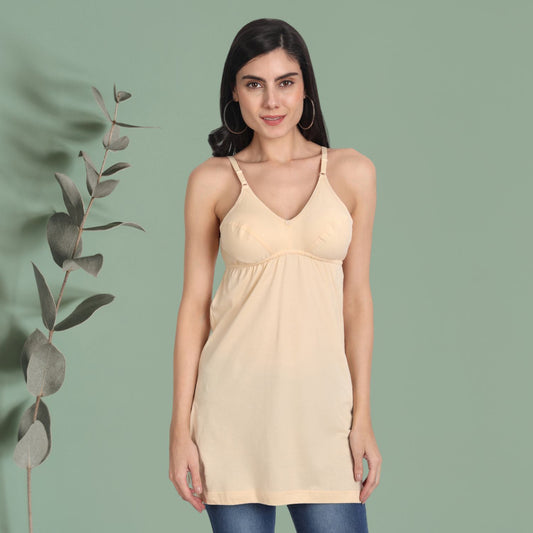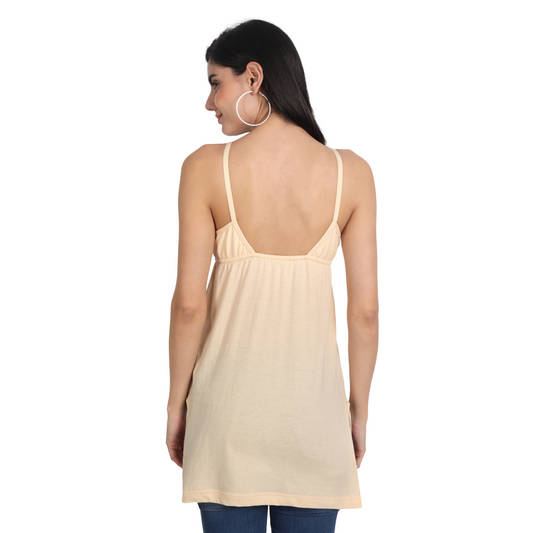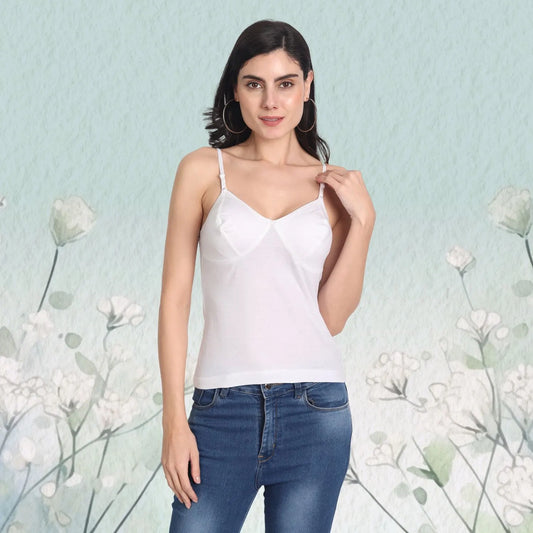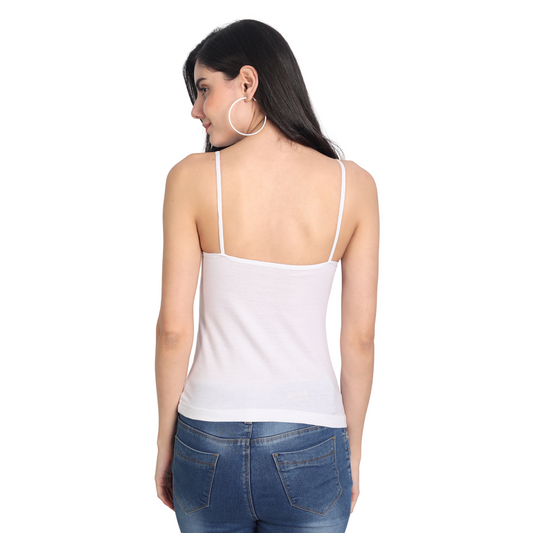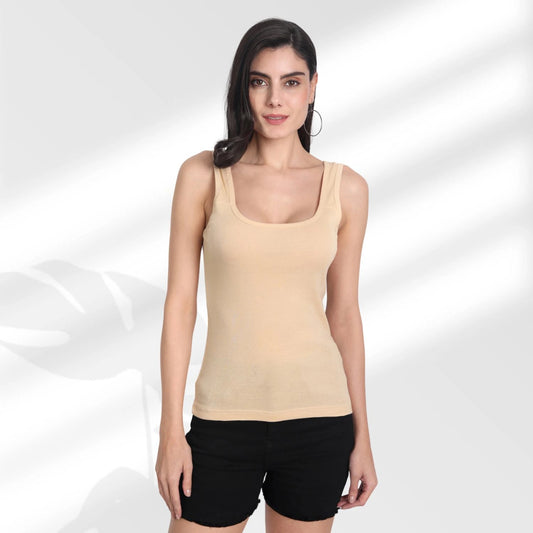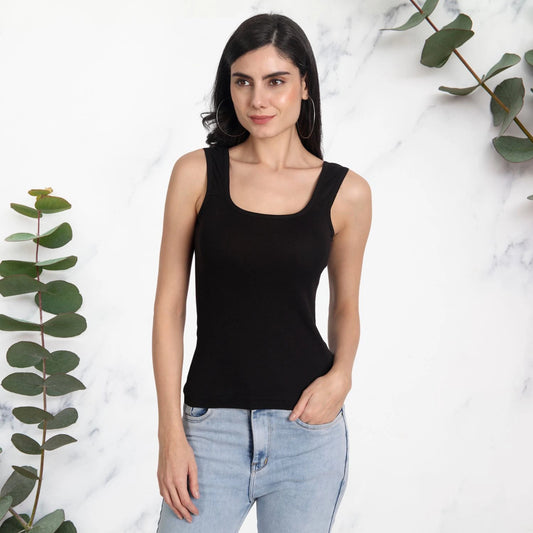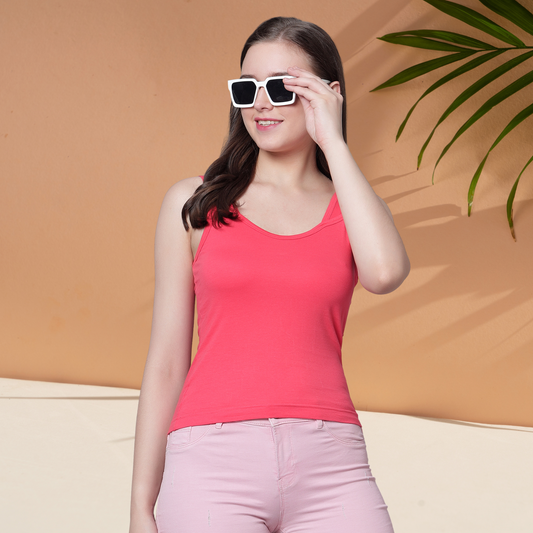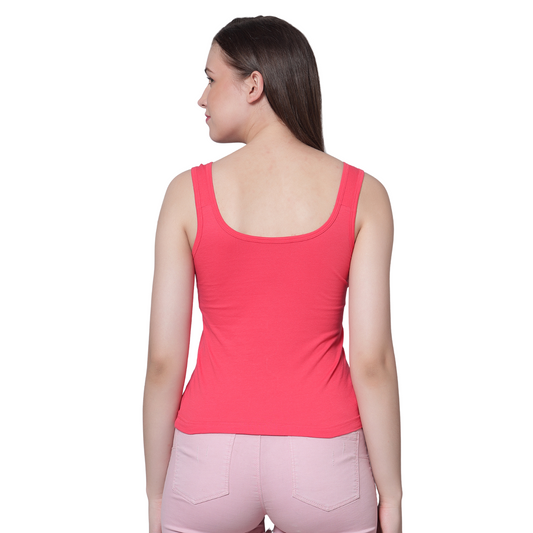

Picture this: It's a bright, sunny May afternoon in India. You’ve planned a perfect day out with friends – maybe a walk in a beautiful park or exploring a bustling market. You’ve picked out your favorite flowy summer dress. But as you get ready, a familiar sense of dread creeps in. It’s not the heat you’re worried about, but the painful, burning rash that you know will appear on your inner thighs after a few hours of walking. Or perhaps it's the irritating red line that forms right under your bra band, itching and stinging with every move. This unwelcome guest is called chafing, and it's a common struggle in the heat and humidity of Indian summers. But what if you could enjoy your summer plans without this painful distraction? An effective anti-chafing routine is your secret weapon, and it's simpler than you think. It all comes down to making smart choices about your innerwear, the fabrics you wear, and a few easy habits.
Table of Contents
- What is Chafing and Why is it Worse in Indian Summers?
- Part 1: Your First Line of Defense - Smart Innerwear
- Winning the War Against Thigh Chafing
- Banishing Bra-Line Irritation
- The Importance of Breathable Panties
- Part 2: The Magic of Fabrics - What to Wear and What to Avoid
- Part 3: Simple Habits for Chafe-Free Skin
- Your Questions Answered: Quora Q&A on Chafing
- Frequently Asked Questions
What is Chafing and Why is it Worse in Indian Summers?
In simple terms, chafing is skin irritation caused by friction. This happens when your skin rubs against itself or against fabric repeatedly. Think about your thighs touching as you walk, or the band of your bra moving against your skin. Now, add the classic Indian summer cocktail: heat and humidity.
- Sweat is the Culprit: When you sweat, your skin becomes moist. This moisture doesn't just make you feel sticky; it makes the friction worse. The salt in your sweat can also add to the irritation.
- Humidity Traps Moisture: The humid air in many parts of India during summer means your sweat doesn't evaporate quickly. It just sits on your skin, creating the perfect environment for chafing to develop and thrive.
The result is a red, raw, and sometimes painful rash that can feel like a burn. It commonly occurs on the inner thighs, under the arms, along the bra line, and in any other area where skin folds and friction are present.
Part 1: Your First Line of Defense - Smart Innerwear
What you wear closest to your skin has the biggest impact on preventing chafing. The right innerwear acts as a protective barrier and helps manage moisture, keeping your skin happy and healthy.
Winning the War Against Thigh Chafing
The dreaded 'chub rub' can stop you from wearing skirts and dresses. The solution is to create a physical barrier between your thighs. This is where anti-chafing shorts come in.
Forget thick, uncomfortable layers. Modern anti-chafing shorts are designed for comfort and discretion.
- The Perfect Barrier: Wearing a pair of soft, stretchable shorts under your dress means the fabric of the shorts glides against itself, not your sensitive skin.
- Breathability is Key: Look for shorts made from cotton-rich blends. Materials like cotton and lycra offer the best of both worlds – the softness and breathability of cotton and the flexible fit of lycra. This ensures air can circulate and sweat doesn't get trapped.
- Comfortable Fit: A good pair of anti-chafing shorts, like Aimly's Women Cotton Lycra Stretchable Everyday Shorts, provides coverage without being restrictive. They feel like a second skin, so you can move freely and confidently. They are perfect for daily wear, but also double up as shorts for a quick yoga session or a walk.
For those who need a multi-pack for daily use, the Girl's Cotton Blend Stretchable Cycling Shorts Pack Of 3 is a fantastic option to build your anti-chafing wardrobe.
Banishing Bra-Line Irritation
Bra-line chafing happens when your bra band is too tight, made of the wrong material, or traps sweat against your skin. The right bra can make all the difference.
- Go Wireless: Underwires can dig into your skin, especially when you're hot and sweaty, increasing friction. A non-wired bra provides support without the poking and prodding. The Aimly Women's Cotton Non-Padded Non-Wired Bra is designed for everyday comfort, allowing your skin to breathe.
- Choose Cotton: Just like with shorts, cotton is your best friend. A cotton bra absorbs moisture and allows air to flow, which is crucial for preventing heat rashes and irritation under the bust.
- The Right Fit: An ill-fitting bra is a major cause of chafing. If the band is too tight, it will dig in. If it's too loose, it will move around too much, causing friction. Not sure about your size? Learning how to measure your bra size at home is a game-changer for comfort.
- Seamless is Smooth: A seamless bra, like the Women's Cotton Blend Seamless Bra, has no rough seams that can rub against your skin. It creates a smooth silhouette under your clothes and feels incredibly comfortable.
The Importance of Breathable Panties
Don't forget the basics! The right pair of panties is fundamental to overall comfort and preventing irritation in the groin area.
- Cotton is Queen: Once again, cotton is the champion fabric. It's soft, natural, and highly breathable, which helps to maintain a healthy environment and prevent moisture buildup.
- Fit Matters: Panties that are too tight can cut into your skin, while those that are too loose can bunch up and cause friction. A well-fitting pair like the Aimly Hipster Panties offers good coverage and stays in place without being constricting. The soft elastic waistband is designed to prevent itching and marks.
Part 2: The Magic of Fabrics - What to Wear and What to Avoid
Your innerwear is the foundation, but the fabric of your outer clothes also plays a big role in your summer comfort. As a simple rule, think natural and breathable.
- Fabrics to Embrace:
- Cotton: The undisputed king of summer fabrics. It's lightweight, soft, absorbent, and allows heat to escape from the body.
- Linen: Another excellent natural fiber that is very breathable and absorbs a lot of moisture.
- Viscose/Rayon: These are semi-synthetic fabrics made from natural wood pulp. They are known for their soft, silky feel and good breathability, making them a comfortable choice for summer.
- Fabrics to Avoid:
- Polyester & Nylon: These synthetic fabrics are essentially plastic. They trap heat and moisture against your skin, creating a mini-greenhouse effect that is a recipe for chafing and rashes. While they are great for certain types of activewear due to their durability, they are not ideal for all-day wear in the Indian heat. You can learn more about the differences between cotton and synthetics for summer to make informed choices.
Part 3: Simple Habits for Chafe-Free Skin
Beyond what you wear, a few simple daily habits can fortify your skin's defense against chafing.
- Stay Hydrated: Drinking plenty of water is good for your entire body, including your skin. Hydrated skin is more elastic and resilient, and less prone to irritation.
- Keep it Dry: After a shower, make sure to gently pat your skin completely dry, especially in areas prone to chafing. Rushing this step can leave moisture behind. On particularly sweaty days, you might want to use a talc-free powder to absorb excess moisture.
- Cleanse Gently: If you already have some irritation, use a mild, fragrance-free soap to clean the area. Harsh soaps can strip the skin of its natural oils and make the irritation worse. Pat, don't rub, the area dry.
- Use a Protective Barrier: On days when you know you'll be doing a lot of walking or sweating, consider using a product designed to prevent chafing. Many people search for options like anti-chafing gels or balms. These products create a silky, invisible barrier on the skin that helps it glide smoothly, reducing friction.
- Wear Loose-Fitting Clothes: Whenever possible, opt for looser-fitting outer clothing. This allows for better air circulation around your body, helping sweat to evaporate and keeping your skin cooler and drier.
Your Questions Answered: Quora Q&A on Chafing
We've browsed popular forums to find the most common questions about chafing. Here are the answers you've been looking for.
1. What can I wear under dresses in summer to stop my thighs from rubbing together?
Anti-chafing shorts, also known as safety shorts or thigh savers, are the best solution. They are specifically designed for this purpose. Look for a pair made from a lightweight, breathable cotton-lycra blend. They provide a smooth barrier between your thighs, allowing them to glide past each other without any friction. Aimly's Everyday Stretchable Shorts are a perfect example; they're comfortable enough to wear all day under any outfit.
2. I get a really bad rash under my bra in the summer. What causes this and how can I stop it?
This is a classic case of bra-line chafing, caused by a combination of sweat, friction, and often, an ill-fitting or non-breathable bra. To stop it, switch to a bra made primarily of cotton. Ensure the band fits you perfectly—it should be snug but not tight enough to dig in. A non-wired design will also reduce pressure points. Lastly, make sure you're completely dry before putting on your bra and consider using a little talc-free powder under the band on very hot days.
3. Are anti-chafing creams and sticks actually effective?
Yes, for many people, they are very effective. Products like anti-chafing sticks, balms, and gels work by creating a lubricated surface on the skin. This reduces friction significantly, so your skin can slide without getting irritated. They are great for activities like running, hiking, or even just a long day of walking. It's best to apply them to clean, dry skin before you start your activity. They can be used on thighs, underarms, or anywhere else you experience rubbing.
4. Does baby powder help with chafing?
Baby powder can help by absorbing moisture and keeping the skin dry, which is a key part of preventing chafing. However, it's important to choose a talc-free powder, as there have been health concerns associated with talc. Powder can be effective for mild cases or short durations, but it can sometimes clump when you sweat heavily and may not provide the long-lasting friction barrier that a dedicated anti-chafing balm or a pair of anti-chafing innerwear can.
Frequently Asked Questions
1. What exactly causes chafing?
- Chafing is caused by repeated friction, where skin rubs against skin or clothing. This friction damages the top layer of the skin, causing redness, stinging, and a rash-like appearance. The problem is made much worse by moisture from sweat, which makes the skin softer and more prone to irritation.
2. Can I get chafing even if I'm not overweight?
- Absolutely. Chafing is about body mechanics and friction, not weight. People of all shapes and sizes can experience chafing. Athletes often get it from repetitive movements, and anyone can get it on their feet from ill-fitting shoes or under their arms from a rough seam on a shirt.
3. Is it better to wear tight or loose clothes to prevent chafing?
- For outer layers, loose clothing is generally better because it promotes airflow and reduces contact with the skin. For innerwear or layers worn directly against the problem area (like shorts under a dress), a snug—but not tight—fit is ideal. This ensures the fabric stays in place and acts as a consistent barrier, preventing skin-on-skin contact without constricting you.
4. How do I treat skin that is already chafed?
- First, gently clean the area with mild soap and water and pat it completely dry. Avoid rubbing. Then, apply a soothing lotion or balm. Look for ingredients like aloe vera or calendula. It's important to let the area breathe and avoid the activity that caused the chafing until the skin has healed to prevent further damage.
5. Why is cotton the best fabric for summer innerwear?
- Cotton is a natural fiber that is highly 'hydrophilic,' meaning it loves water. It can absorb a significant amount of moisture (sweat) away from your skin. It is also extremely breathable, which means it allows air to pass through it easily. This combination of absorption and breathability helps keep your skin cooler, drier, and less susceptible to the irritation that leads to chafing.
Conclusion: Your Chafe-Free Summer Awaits!
Indian summers, with their intense heat and humidity, don't have to be a season of discomfort. Chafing, the painful result of skin friction, is a common enemy, but it's one you can easily defeat with a smart approach. The battle is won not with one magic trick, but with a consistent anti-chafing routine that combines the right innerwear, the best fabrics, and healthier daily habits. By creating a physical barrier with comfortable anti-chafing shorts, you can enjoy wearing your favorite summer dresses without the dreaded 'chub rub.' Choosing breathable, well-fitting cotton bras and panties ensures that moisture doesn't get trapped, preventing irritation along your bra line and other sensitive areas. Remember, your skin's best friend during summer is a fabric that breathes. Prioritizing cotton and cotton blends over synthetics is a simple swap that makes a world of difference. Paired with habits like staying hydrated, keeping your skin dry, and cleansing gently, you're building a powerful defense system. Don't let the fear of chafing hold you back from enjoying the sunshine. Embrace these tips, invest in smart, comfortable innerwear from Aimly, and make this your most comfortable and confident summer yet.